
A Practical Guide to Restoring Your Smile Without Sacrificing Function or Feel
Cleburne, United States – May 29, 2026 / Benage Dental Care /
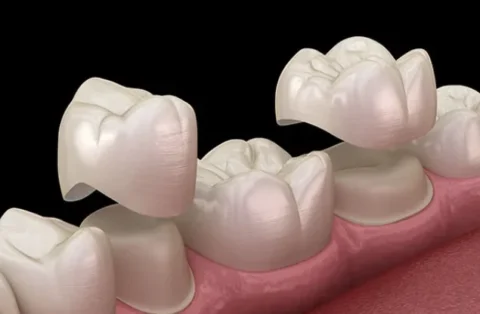 Dental crowns remain one of the most common restorative treatments for protecting damaged teeth while restoring appearance and function.
Patients in Cleburne, TX are increasingly choosing modern dental crowns because they offer durability, natural appearance, and improved comfort during everyday activities such as chewing and speaking.
Crowns are commonly used to restore weakened, cracked, worn, or heavily filled teeth that require additional structural support through porcelain crowns.
Advances in dental materials and technology now allow crowns to provide long-lasting performance while blending more naturally with surrounding teeth and smiles.
How long do dental crowns last in Cleburne, TX?
Dental crowns are designed to provide long-term protection and functionality for damaged teeth. The lifespan of a crown depends on material selection, oral hygiene habits, and overall dental care.
Most Dental Crowns Last Many Years
With proper care, many crowns can last between 10 to 15 years or longer. Some patients maintain crowns successfully for decades when oral hygiene and routine dental care remain consistent.
Longevity often depends on:
- Crown material
- Bite pressure
- Oral hygiene habits
- Teeth grinding
- Regular dental visits
Daily Habits Affect Crown Durability
Dental crowns are durable, but they can still experience wear over time. Habits such as chewing ice, biting hard objects, or grinding teeth may place additional stress on crowns and surrounding teeth.
Dentists may recommend protective nightguards for patients who grind their teeth during sleep.
Routine Dental Visits Support Long-Term Performance
Regular dental exams help monitor crown condition and identify early signs of wear or damage.
During routine visits, dentists may evaluate:
- Crown fit
- Gum health
- Bite alignment
- Surface wear
- Surrounding tooth structure
Patients can also learn more about dental crown lifespan and what often affects long-term comfort and performance.
Material Choice Influences Longevity
Different crown materials offer varying levels of durability and aesthetics.
Common materials include:
- Porcelain crowns
- Ceramic crowns
- Zirconia crowns
- Porcelain-fused-to-metal crowns
Each material may be selected based on tooth location, cosmetic goals, and bite strength requirements.
Dental crowns can last many years in Cleburne when patients maintain strong oral hygiene and consistent preventive dental care.
Are modern dental crowns comfortable enough for everyday chewing and speaking?
Modern dental crowns are designed to restore normal tooth function while providing a comfortable fit for daily activities such as chewing, speaking, and smiling.
Crowns Are Custom-Fit for Comfort
Dental crowns are carefully designed to match the shape, size, and alignment of natural teeth. Proper fit helps patients chew and speak comfortably after treatment.
Most patients adjust to crowns quickly once placement is complete.
Modern Materials Feel More Natural
Advancements in dental materials have improved both comfort and appearance. Many modern crowns closely resemble the texture and feel of natural enamel.
This allows crowns to function more naturally during:
- Eating
- Speaking
- Biting
- Smiling
Proper Bite Alignment Matters
Dentists carefully adjust crowns to ensure proper bite balance and reduce pressure points.
An improperly aligned crown may create discomfort or sensitivity, which is why bite adjustments are an important part of crown placement.
Temporary Sensitivity Is Sometimes Normal
Some patients experience mild sensitivity after crown placement, especially when consuming hot or cold foods. This sensitivity often improves as the tooth adjusts.
Dentists monitor patient comfort during follow-up appointments if needed.
Crowns Restore Daily Function
Damaged or weakened teeth can interfere with chewing and cause discomfort. Dental crowns help restore structural support so patients can eat and speak more comfortably again.
Modern dental crowns are designed for comfort, allowing patients to chew, speak, and function naturally during everyday activities.
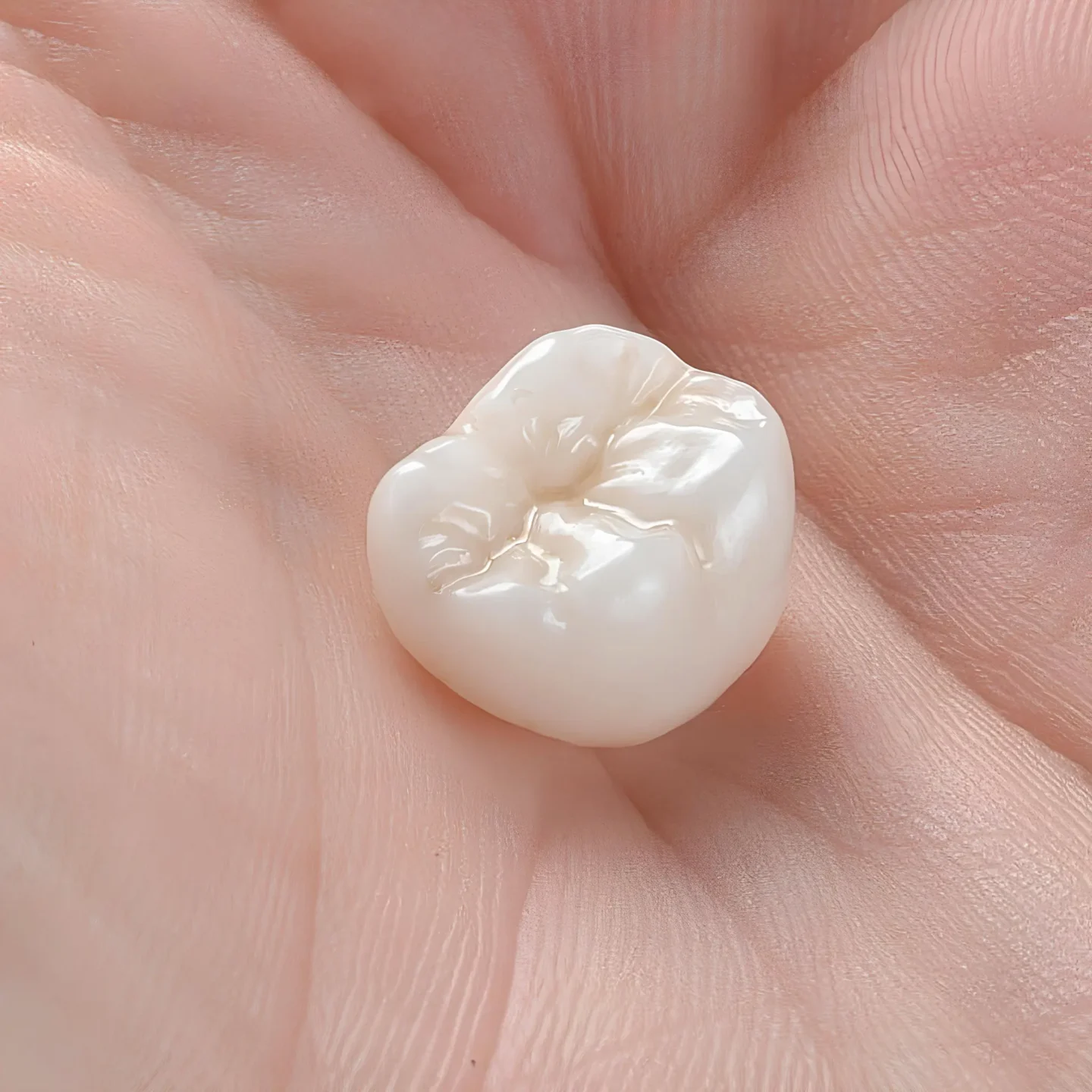 What type of dental crown looks the most natural while still being durable?
Many patients want dental crowns that provide both durability and a natural appearance. Modern dental materials now offer stronger cosmetic and functional results than earlier crown options.
Ceramic and Porcelain Crowns Offer Natural Appearance
Ceramic and porcelain crowns are often chosen for their ability to closely match natural tooth color and translucency.
These materials are especially popular for:
- Front teeth
- Visible smile areas
- Cosmetic restorations
Zirconia Crowns Combine Strength and Appearance
Zirconia crowns are known for durability while still providing attractive cosmetic results.
Many patients choose zirconia because it offers:
- Strong fracture resistance
- Long-term durability
- Improved aesthetics
- Biocompatibility
Crown Selection Depends on Tooth Location
Back teeth typically experience greater chewing pressure than front teeth. Dentists may recommend stronger materials for molars while using highly aesthetic materials for visible teeth.
Color Matching Improves Smile Consistency
Modern dental technology allows dentists to match crown color to surrounding natural teeth for a more seamless appearance.
Factors considered during matching include:
- Tooth shade
- Transparency
- Shape
- Smile symmetry
Durability and Appearance Can Work Together
Patients no longer need to sacrifice aesthetics for strength. Many current crown materials are designed to balance durability with a more natural-looking finish.
Ceramic, porcelain, and zirconia crowns offer natural-looking results while still providing the durability needed for long-term function.
When should you get a dental crown instead of a filling?
Dental crowns and fillings serve different restorative purposes depending on the extent of tooth damage and structural support needed.
Crowns Are Often Recommended for Larger Damage
Fillings are commonly used for smaller cavities or minor tooth damage. However, larger areas of decay or structural weakness may require the added support of a crown.
Crowns may be recommended when:
- A tooth is cracked
- A large filling has failed
- Significant decay is present
- Tooth structure is weakened
- A root canal has been completed
Crowns Help Protect Weakened Teeth
When too much natural tooth structure has been lost, fillings alone may not provide enough support.
Crowns help cover and reinforce the remaining tooth to reduce fracture risk.
Root Canal-Treated Teeth Often Need Crowns
Teeth that undergo root canal treatment may become more fragile over time. Crowns are frequently placed afterward to restore strength and functionality.
Fillings May Not Be Enough for Heavy Bite Pressure
Molars and heavily used teeth often experience stronger chewing forces. Crowns provide more complete protection in high-pressure areas.
Dentists Evaluate Structural Stability
Dentists determine whether a crown or filling is more appropriate based on:
- Extent of decay
- Tooth location
- Existing restorations
- Bite strength
- Long-term stability needs
Dental crowns are often recommended when teeth require greater structural support than a standard filling can provide.
Restoring Comfort and Strength With Modern Dental Crowns
Dental crowns continue to play an important role in restoring damaged teeth while helping patients maintain comfortable daily function and natural-looking smiles. Advances in dental materials now allow crowns to provide stronger durability with improved cosmetic appearance and fit.
Benage Dental Care of Cleburne provides dental crown treatment options designed to restore tooth strength, appearance, and long-term oral function. Their team works closely with patients to recommend crown solutions that support comfort, durability, and natural-looking smile restoration for a wide range of dental needs. Patients can contact our team to learn more, and many also review patient experiences on trusted review platforms when choosing care.


Contact Information:
Benage Dental Care
302 N Ridgeway Dr
Cleburne, TX 76033
United States
Dr. Mark Benage
(817) 641-6261
https://benagedentalcare.com/


