
Moving Smart in Phoenix: A Digital Nomad’s Guide to a Tech-Friendly Relocation
Phoenix, United States – February 9, 2026 / Moving Service Marketing Company /
Living and working remotely in Phoenix offers flexibility, sunshine, and access to a growing tech-friendly environment, but relocating still requires careful planning. For digital nomads, a move is not only about transporting belongings but also about protecting equipment, maintaining reliable internet access, and minimizing work disruptions. Every decision, from scheduling the move to setting up utilities, can affect productivity. This article outlines practical steps for preparing a smooth relocation to Phoenix while keeping work systems secure and downtime limited. In this guide, Not Your Husband Moving provides clear, practical tips to help remote workers settle in efficiently and stay connected from the first day in their new space.
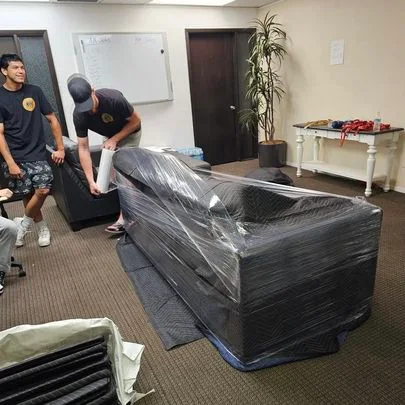
Preparing for Your Move to Phoenix
The first important step when moving to Phoenix is choosing a neighborhood that supports a digital nomad lifestyle. Areas such as Downtown Phoenix, Arcadia, and Roosevelt Row are popular not just for their atmosphere, but for their access to dependable internet providers, coworking spaces, and everyday conveniences. These neighborhoods also offer walkability, nearby cafes, and community spaces that make it easier to balance work and personal time.
Research should go beyond rental prices. Online listings, neighborhood forums, and local resources can provide insight into internet reliability, noise levels, safety, and access to essentials such as grocery stores, gyms, and public transportation. Local blogs and video tours can also help clarify what daily life looks like in different parts of the city, offering context that statistics alone cannot provide.
Once a neighborhood has been selected, budgeting becomes the next major priority.
Moving costs can vary depending on distance, home size, and service needs, but many relocations to Phoenix fall between $1,500 and $3,500. It is also important to account for expenses that are often overlooked. Utility connection fees, internet installation costs, security deposits, and initial grocery and household purchases can add up quickly.
Creating a detailed budget helps keep finances organized and prevents surprises. This list should include moving services or truck rentals, temporary housing if needed, utility and internet setup fees, travel expenses during the move, and basic items required upon arrival. Planning for these costs in advance helps ensure that funds intended for settling in are not unexpectedly redirected.
With housing and budgeting addressed, the next focus is logistics.
Scheduling moving services early often results in better availability and more predictable pricing. Coordinating moving dates with lease start times and utility activation is especially important for remote workers who need immediate access to electricity and internet. Planning these details in advance helps prevent delays that could interfere with work responsibilities.
Creating a detailed moving calendar can help organize this process. Key dates, such as booking movers, confirming utility connections, lease-signing deadlines, and internet installation appointments, should all be mapped out. A clear timeline helps avoid last-minute conflicts and keeps the relocation process manageable from start to finish.
With these foundational steps in place, attention can shift to the technology and tools that support a smooth transition.
Essential Tech Tools for Relocation
Technology plays a central role in managing a move while continuing to work remotely. Relocation involves more than physical packing. It requires careful coordination of schedules, documents, and communication. Using the right digital tools can simplify these tasks and reduce stress during the transition.
Mobile Apps for Moving
Moving apps can help track belongings and manage logistics efficiently. Inventory apps such as MoveAdvisor allow users to catalog items room by room, making it easier to keep track of what has been packed and delivered. This is particularly useful when transporting sensitive equipment like computers, monitors, and networking devices.
Cost estimation tools offered by platforms such as U-Pack help clarify shipping or transportation expenses in advance. Having a clear understanding of costs allows for better budgeting and fewer unexpected charges. Using these tools early in the planning process supports informed decision-making rather than rushed choices.
Organizational Tools
Managing a move alongside ongoing work requires structured organization. Digital project management tools like Trello and Asana allow tasks to be broken down into manageable steps with clear deadlines. These platforms make it easy to track progress, adjust timelines, and ensure that important details are not overlooked.
Setting reminders for tasks such as confirming utility hookups or finalizing lease documents helps maintain momentum during a busy period. These tools also support collaboration, enabling shared access for roommates or partners involved in the move and reducing miscommunication and duplication of effort.
With relocation logistics under control, the next step is creating a functional and reliable workspace in the new home.
Setting Up Your Digital Workspace
Establishing an effective digital workspace begins with a thoughtful physical setup. A dedicated work area that supports focus and comfort is essential for maintaining productivity. Ergonomic furniture, such as a supportive chair and an adjustable desk, can reduce strain during long work sessions and promote healthier routines.
Quality equipment is an investment in both efficiency and well-being. Reliable monitors, keyboards, and proper lighting contribute to a workspace that supports sustained focus. These elements form the foundation of a productive environment.
Software setup is equally important. Communication platforms like Slack and video conferencing tools such as Zoom are central to remote collaboration, but their effectiveness depends on the organization. Arranging applications so that communication, file storage, and task management are easy to access helps reduce interruptions throughout the day.
Internet connectivity is a critical factor for digital nomads. While many areas of Phoenix offer average speeds around 50 Mbps, some neighborhoods offer fiber-optic connections with speeds up to 1 Gbps. This level of service supports smooth video calls, fast uploads, and reliable access to cloud-based tools. Researching providers before finalizing housing can significantly improve daily work performance.
Workspace organization also plays a role in concentration. Keeping surfaces clear and minimizing clutter helps reduce distractions. Adding simple elements such as neutral lighting or a small plant can create a comfortable atmosphere without overwhelming the space.
Security should not be overlooked. Using a VPN, enabling two-factor authentication, and keeping antivirus software up to date help protect sensitive data. These measures are especially important when working remotely and relying heavily on online systems.
With a stable workspace established, the focus can expand to adjusting to daily life in Phoenix.
Integrating into Phoenix’s Lifestyle
Phoenix presents a unique environment that requires practical adaptation. The city is known for its intense summer heat, with temperatures frequently exceeding 100 degrees Fahrenheit. Planning daily routines around this climate is essential for comfort and productivity.
Lightweight clothing, consistent hydration, and dependable air conditioning are necessities rather than optional comforts. Many residents plan outdoor activities during early mornings or evenings when temperatures are lower. Shaded parks and desert trails are popular during these cooler hours and allow for regular activity without excessive exposure to heat.
Beyond weather considerations, Phoenix offers a diverse cultural scene that supports social connection and professional networking.
Art galleries, music festivals, and local markets provide opportunities to engage with the city beyond work. Events such as art walks and seasonal festivals attract residents from various backgrounds and encourage interaction. These settings offer a natural way to connect with others while exploring the city’s creative side.
Supporting local businesses and vendors also helps build a sense of community. Markets and neighborhood events often create informal spaces for conversation and collaboration, which can be valuable for digital nomads seeking local connections.
Adapting to Phoenix also involves understanding daily rhythms. During extreme heat, many residents adjust schedules to slow down during the hottest parts of the day. Adopting flexible work hours and planning breaks accordingly can help prevent burnout and support long-term productivity.
Exploring local cafes and coworking spaces provides insight into how work and leisure are balanced in the city. These spaces often blend productivity with relaxation, reflecting a practical and sustainable approach to daily life.
As daily routines become established, building a strong professional and social network becomes the next priority.
Networking and Community Building
Remote work offers independence, but without a support network, it can feel isolating. Building connections in Phoenix helps create both professional opportunities and a sense of belonging.
Coworking spaces such as WeWork and CO+HOOTS attract professionals from a wide range of industries. These spaces often host networking events, workshops, and casual meetups that encourage collaboration and idea-sharing. Regular attendance helps build familiarity and trust within the community.
Engagement is key. Participating in discussions, attending events consistently, and contributing thoughtfully helps establish meaningful connections. Networking is most effective when it focuses on mutual value rather than immediate gain.
Online communities also play an important role. Local Facebook groups and LinkedIn communities focused on digital nomads, technology professionals, and creatives provide ongoing opportunities for interaction. Sharing resources, responding to questions, and joining virtual meetups can help strengthen relationships before meeting in person.
Balancing in-person and online engagement broadens reach and provides multiple ways to seek advice or support. These connections often become valuable sources of local knowledge, from service recommendations to workspace suggestions.
Practical approaches to community building include identifying coworking spaces that match professional needs, attending events regularly, contributing meaningfully to conversations, and participating in activities outside of work, such as group hikes or food events. These efforts help transform Phoenix from a temporary location into a supportive base.
With a growing network and established routines, exploring the city becomes more rewarding.
Exploring Phoenix as a Digital Nomad
Phoenix offers a mix of urban convenience and outdoor access that suits a remote lifestyle. The city’s layout allows for short transitions between work, recreation, and social activities, supporting balance and flexibility.
Outdoor Recreation
Outdoor spaces are a defining feature of Phoenix. Hiking areas such as Camelback Mountain offer challenging trails and expansive views, making them popular for physical activity and mental reset. Papago Park provides easier trails suitable for regular walks or photography.
Beyond hiking, options include cycling along the Arizona Canal Trail or visiting nearby lakes for water activities. These experiences support physical health and help counter the effects of extended indoor work.
Outdoor spaces also serve as informal social settings, where meeting others with similar interests often happens naturally.
Dining and Entertainment
Phoenix’s dining scene reflects its cultural diversity. Food trucks, local cafes, and established restaurants offer a wide range of options that suit different schedules and preferences. Markets such as the Phoenix Public Market combine food, local goods, and community interaction in one setting.
Entertainment options are equally varied. Music venues like The Van Buren host live performances, while historic theaters such as the Orpheum Theatre offer cultural programming. Attending these events provides opportunities to unwind and connect socially outside of professional environments.
Developing a routine that includes both work and local exploration helps create a sense of stability while maintaining a sense of discovery.
Relocating to Phoenix as a digital nomad requires careful planning, reliable technology, and thoughtful integration into the city’s lifestyle. From choosing the right neighborhood and budgeting accurately to setting up a secure workspace and building local connections, each step supports a smoother transition. By approaching the move with structure and awareness, remote workers can minimize disruptions, protect their work systems, and establish a productive, balanced life in Phoenix.
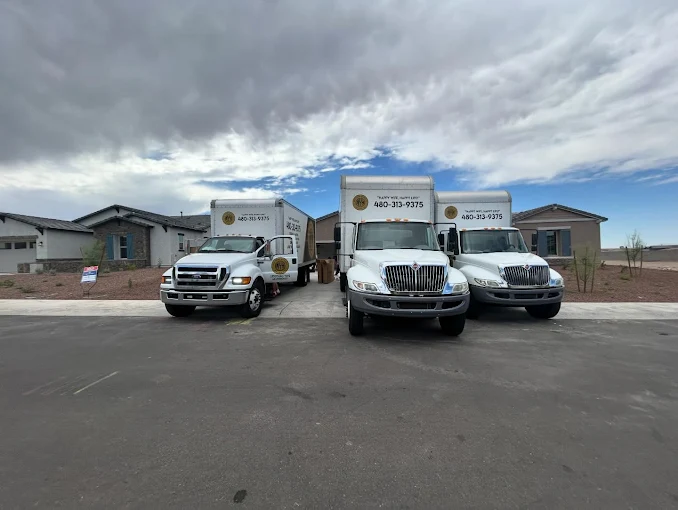
Why Choose Not Your Husband Moving for Remote-Work-Friendly Relocations
Remote-work relocations often require flexible scheduling, careful setup planning, and minimal disruption, and Not Your Husband Moving understands how important it is to keep work routines intact. Their team coordinates move times around virtual meetings, handles home office equipment with care, and keeps the process organized to reduce downtime. With clear communication and an efficient approach, they help ensure the transition supports both work and home needs. To plan a move that fits your remote work schedule, contact Not Your Husband Moving at 480-485-4676 to discuss your relocation details.


Contact Information:
Not Your Husband Moving Corporation
13201 N 35th Ave b6, Phoenix, AZ 85029
Phoenix, AZ 85029
United States
Chad Tice
(480) 313-9375
https://notyourhusbandmoving.com/

